
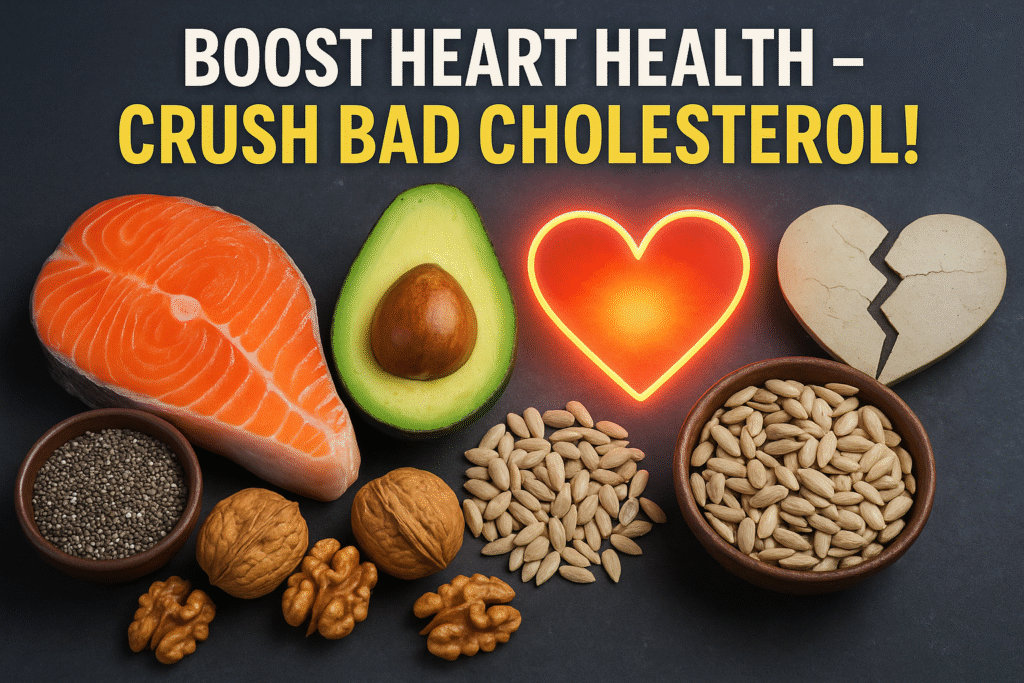

Discover how polyunsaturated fats boost heart health, lower cholesterol, and transform your diet. Complete guide to omega-3, omega-6, and PUFA benefits.
Picture this: you’re standing in the cooking oil aisle, overwhelmed by endless options, wondering which bottle holds the key to better health. Well, I’m here to let you in on a little secret that might change how you think about fats forever. Polyunsaturated fats aren’t just another dietary buzzword—they’re actually your heart’s bodyguards and your cholesterol’s kryptonite.
You know that friend who seems to effortlessly maintain perfect health while you’re still figuring out whether butter is the enemy? They probably discovered what I’m about to share with you: the incredible power of essential fatty acids. These aren’t just any ordinary fats; they’re the VIPs of the nutrition world, working behind the scenes to keep your cardiovascular system running like a well-oiled machine.

What Exactly Are Polyunsaturated Fats (And Why Should You Care)?
Let me break this down for you in the simplest terms possible. Polyunsaturated fats, or PUFAs as the cool kids call them, are fat molecules with multiple double bonds in their chemical structure. Think of them as the Swiss Army knives of the fat world—they’re incredibly versatile and packed with functionality.
Here’s the thing that blew my mind when I first learned about it: your body can’t produce these essential fatty acids on its own. It’s like having a car that can’t make its own oil—you’ve got to fill it up from external sources, or everything starts breaking down. According to the Cleveland Clinic, these essential fats must come from food because your body cannot manufacture them.
These healthy fats remain liquid at room temperature (unlike their saturated cousins), which is actually your first visual clue about their benefits. When something flows easily at room temperature, it’s not going to clog up your arteries the way solid fats might.
The Two Main Players: Omega-3 and Omega-6 Fatty Acids
Now, here’s where it gets really interesting. Polyunsaturated fats come in two main varieties:
Omega-3 fatty acids are like the celebrities of the nutrition world—everyone’s heard of them, and for good reason. These include:
- ALA (Alpha-linolenic acid) – found in plant sources
- EPA (Eicosapentaenoic acid) – mainly from marine sources
- DHA (Docosahexaenoic acid) – crucial for brain and eye health
Omega-6 fatty acids are the unsung heroes, including:
- Linoleic acid – the most common omega-6
- Arachidonic acid – important for immune function

The Heart Health Revolution: How PUFAs Transform Your Cardiovascular System
I’ll never forget the day my doctor told me my cholesterol levels had improved dramatically after just six months of incorporating more polyunsaturated fats for heart health into my diet. It wasn’t magic—it was science working exactly as it should.
The Cholesterol Connection
Here’s something that might surprise you: polyunsaturated fats can lower cholesterol levels by actually replacing the bad stuff in your bloodstream. When you swap out saturated fats for heart-healthy fats, you’re essentially giving your cardiovascular system an upgrade.
Research shows that polyunsaturated fatty acids and cholesterol have an inverse relationship. The more quality PUFAs you consume, the more your LDL (bad) cholesterol tends to drop, while your HDL (good) cholesterol either stays stable or even improves. Studies published in PubMed demonstrate that consuming PUFAs in place of saturated fats significantly reduces coronary heart disease events.
Beyond Cholesterol: The Complete Heart Health Picture
But wait, there’s more! Polyunsaturated fats don’t just tackle cholesterol—they’re like a full-service maintenance crew for your heart:
- Reduce inflammation throughout your cardiovascular system
- Support healthy blood pressure levels
- Improve arterial flexibility and function
- Enhance overall heart rhythm stability
Your Complete Guide to PUFA-Rich Foods
Let’s talk about where you can find these nutritional powerhouses. I’ve organized this into categories that make grocery shopping a breeze:
Marine Sources (The Omega-3 Champions)
| Fish Type | PUFA Content | Best Preparation |
|---|---|---|
| Wild Salmon | 1.8g per 3.5oz | Grilled or baked |
| Mackerel | 2.3g per 3.5oz | Pan-seared |
| Sardines | 1.4g per 3.5oz | Straight from the can |
| Herring | 2.0g per 3.5oz | Smoked or fresh |
Plant-Based Powerhouses
Foods high in polyunsaturated fats from plant sources are absolutely game-changers, especially if you’re following a plant-based diet:
- Chia seeds – These tiny nutritional bombs pack 5g of omega-3 per ounce
- Ground flaxseeds - Must be ground for absorption; whole seeds pass through undigested
- Walnuts – The only nut that’s an excellent source of plant-based omega-3
- Hemp seeds – Perfect omega-3 to omega-6 ratio

The Oil Situation: Polyunsaturated Fat Oils List
Cooking with polyunsaturated fat oils requires a bit of strategy. Here’s your cheat sheet:
High-Heat Cooking:
- Sunflower oil (refined)
- Safflower oil
- Soybean oil
Medium-Heat Cooking:
- Corn oil
- Grapeseed oil
Cold Applications Only:
- Walnut oil
- Flaxseed oil
- Hemp oil
The Balancing Act: Omega-3 vs Omega-6 Polyunsaturated Fats
Here’s where things get a bit tricky, and frankly, where most people mess up. The omega-3 vs omega-6 polyunsaturated fats ratio in your diet matters more than you might think.
Our ancestors consumed these fats in roughly a 1:1 to 1:4 ratio. Today? Most Americans are looking at a 1:16 or even 1:20 ratio, heavily skewed toward omega-6. This imbalance can actually promote inflammation instead of fighting it, as confirmed by research from the National Institutes of Health.
Getting the Balance Right
Don’t panic—you don’t need a calculator at every meal. Just follow these simple guidelines:
- Increase omega-3 intake through fatty fish, chia seeds, and flaxseeds
- Moderate omega-6 consumption by limiting processed foods
- Choose whole food sources whenever possible
- Consider supplementation if you’re not hitting targets through food alone

Daily Intake Recommendations: How Much Is Enough?
The daily intake recommendations for polyunsaturated fats aren’t as complicated as you might think. The American Heart Association suggests that polyunsaturated fats should make up 5-10% of your total daily calories, while the National Academy of Medicine recommends men consume 1.6 grams of omega-3 ALA daily and 1.1 grams per day for women.
For a 2,000-calorie diet, that translates to:
- 11-22 grams of polyunsaturated fats daily
- 1.1-1.6 grams of omega-3s for women
- 1.6-2.2 grams of omega-3s for men
Practical Translation
What does this look like in real food? Easier than you’d think:
- 3.5 oz of salmon = about 1.8g omega-3
- 1 oz of walnuts = about 2.5g total PUFAs
- 1 tablespoon of ground flaxseed = about 1.6g omega-3
Polyunsaturated Fats vs Saturated Fats: The Showdown
Let me settle this debate once and for all. While saturated fats aren’t the absolute villains we once thought, polyunsaturated fats vs saturated fats is still a contest where PUFAs come out on top for overall health benefits.
Saturated fats:
- Solid at room temperature
- Can raise both good and bad cholesterol
- Should be limited to 5-6% of daily calories
Polyunsaturated fats:
- Liquid at room temperature
- Actively lower bad cholesterol
- Provide essential nutrients your body can’t make
The Mayo Clinic emphasizes that when used in place of saturated fat, monounsaturated and polyunsaturated fats may help lower your total cholesterol. The smart move? Use polyunsaturated fats to replace saturated fats wherever possible, not just add them on top of your current intake.
Special Considerations: Polyunsaturated Fats in Plant-Based Diets
If you’re following a plant-based lifestyle, vegan sources of omega-3 become absolutely crucial. You can’t just eliminate fish and call it a day—you need a strategy. The American Dietetic Association notes that plant-based omega-3 sources are particularly important for vegetarians and vegans.
Top Vegan PUFA Sources:
- Algal oil supplements – The only direct plant source of EPA and DHA
- Ground flaxseeds – Must be ground fresh for maximum benefit
- Chia seeds – Mix into smoothies, oatmeal, or make puddings
- Hemp seeds – Great in salads or blended into sauces
- Walnuts – Perfect for snacking or adding to meals
The conversion rate from plant-based ALA to EPA and DHA is relatively low (about 5-10%), so algal oil supplementation often makes sense for vegans and vegetarians. WebMD confirms that the body’s conversion of ALA to EPA and DHA is limited, making direct sources important.
The Brain Connection: Polyunsaturated Fatty Acids for Brain Health
Here’s something that absolutely fascinated me: your brain is about 60% fat, and a significant portion of that should be polyunsaturated fats. DHA in particular is crucial for cognitive function, memory, and even mood regulation.
Studies suggest that adequate omega-3 intake may help with:
- Memory and learning capacity
- Mood stability and reducing depression risk
- Age-related cognitive decline prevention
- Overall brain development in children
Harvard Health Publishing notes that omega-3s from fish and fish oil have been recommended by the American Heart Association for the past 20 years to reduce cardiovascular events in people who already have cardiovascular disease.

Potential Risks: Polyunsaturated Fat Benefits and Risks
Let’s be honest about this—even good things can become problematic in excess. Are there risks associated with excessive polyunsaturated fat intake? The short answer is yes, but they’re easily avoidable with some awareness.
Potential Concerns:
Oxidation Issues: PUFAs are more susceptible to oxidation than other fats, especially when exposed to heat, light, or air. This is why proper storage and cooking methods matter. MedlinePlus confirms that polyunsaturated fat is one of the healthy fats, along with monounsaturated fat.
Omega-6 Overconsumption: Too much omega-6 relative to omega-3 can promote inflammation rather than reduce it. Recent research suggests caution with high omega-6 intake ratios.
Calorie Density: Like all fats, PUFAs are calorie-dense at 9 calories per gram.
Smart Solutions:
- Store PUFA-rich oils in dark, cool places
- Don’t use delicate oils for high-heat cooking
- Focus on whole food sources when possible
- Maintain the omega-3 to omega-6 balance
Product Recommendations: Building Your PUFA Arsenal
Based on my research and personal experience, here are my top picks for incorporating more polyunsaturated fats into your daily routine:
Best Overall Fish Source: Wild-Caught Salmon Fillets
Nothing beats the convenience and nutritional density of quality salmon. Look for wild-caught varieties for the best omega-3 profile and minimal contaminants.
Best Plant-Based Option: Chia Seeds
These little powerhouses are incredibly versatile. I add them to everything from smoothies to homemade energy bars. They expand in liquid, creating a satisfying, pudding-like texture.
Best Cooking Oil: Safflower Oil
For high-heat cooking, refined safflower oil gives you maximum PUFA content without breaking down at cooking temperatures.
Best Nuts: Raw Walnut Halves
The only tree nut that’s a significant source of omega-3s. I keep a small container in my desk drawer for afternoon snacking.
Best Supplement: Algal Oil (for vegans) or Fish Oil (for omnivores)
When whole foods aren’t enough, high-quality supplements can fill the gaps. Algal oil provides a sustainable, vegan source of EPA and DHA.

Polyunsaturated Fats and Inflammation: The Anti-Inflammatory Connection
One of the most compelling reasons to optimize your polyunsaturated fat intake is their powerful anti-inflammatory effects. Chronic inflammation is linked to virtually every major disease, from heart disease to diabetes to certain cancers.
Omega-3 fatty acids work by:
- Producing specialized pro-resolving mediators (SPMs) that actively resolve inflammation
- Competing with omega-6 fatty acids for the same enzymes
- Modulating immune cell function
- Supporting the body’s natural healing processes
Research published in PMC journals shows that omega-3 fatty acids may play a beneficial role in cardiovascular system disorders through their anti-inflammatory properties.
The key is balance. When your omega-3 to omega-6 ratio is optimized, your body can effectively manage inflammatory responses rather than staying stuck in a chronic inflammatory state.
Cooking Tips and Tricks: Maximizing Your PUFA Benefits
Cooking with polyunsaturated fat oils requires a bit of finesse, but once you get the hang of it, it becomes second nature.
Temperature Guidelines:
- Cold preparations: Flax, hemp, and walnut oils
- Low heat (under 320°F): Most unrefined PUFA oils
- Medium heat (320-375°F): Refined sunflower, safflower, and corn oils
- High heat (over 375°F): Stick to more stable fats or refined PUFA oils
Storage Secrets:
- Keep PUFA-rich oils refrigerated after opening
- Buy smaller bottles to ensure freshness
- Look for dark glass containers
- Check expiration dates religiously
Creating Your Personal PUFA Plan
Now that you understand the science, let’s make this practical. Here’s how to create your personal polyunsaturated fat optimization plan:
Week 1-2: Assessment
- Track your current fat intake for a few days
- Identify your main sources of dietary fats
- Note any symptoms that might be related to inflammation
Week 3-4: Strategic Substitutions
- Replace one saturated fat source with a PUFA option daily
- Add one omega-3 rich food to your routine
- Experiment with new cooking oils
Week 5-6: Fine-Tuning
- Adjust portions based on how you feel
- Consider supplementation if needed
- Establish sustainable routines
Ongoing: Maintenance and Optimization
- Regular blood lipid panels to track progress
- Continued education about new research
- Seasonal adjustments to food sources
The Future of PUFA Research
The science of polyunsaturated fats continues to evolve rapidly. Recent research is exploring connections to:
- Gut microbiome health
- Mental health and cognitive performance
- Athletic performance and recovery
- Longevity and healthy aging
Personalized nutrition based on genetic factors
Current nutritional research from the USDA continues to support the importance of including polyunsaturated fats as part of a healthy diet.
As our understanding deepens, one thing remains clear: essential fatty acids aren’t just essential—they’re foundational to optimal human health.
Your Next Steps: From Knowledge to Action
You now have the knowledge, but knowledge without action is just expensive entertainment. Here’s your immediate action plan:
This Week:
- Audit your pantry – identify current fat sources
- Plan one PUFA-rich meal for the next three days
- Purchase one new omega-3 source you’ve never tried before
This Month:
- Establish a routine with at least 3 servings of fatty fish per week
- Incorporate plant-based omega-3s into your daily meals
- Track how you feel – energy, mood, sleep quality
This Quarter:
- Get blood work done to establish baseline lipid levels
- Fine-tune your approach based on results and how you feel
- Share your knowledge with friends and family

Conclusion: Your Heart (And Body) Will Thank You
We’ve covered a lot of ground together, but here’s the bottom line: polyunsaturated fats aren’t just another dietary trend—they’re a fundamental building block of optimal health. From boosting heart health and lowering cholesterol to supporting brain function and managing inflammation, PUFAs are truly nutritional superstars.
The beauty of focusing on essential fatty acids is that the changes are often noticeable relatively quickly. Many people report improvements in energy, mood, and even skin health within just a few weeks of optimizing their polyunsaturated fat intake.
Remember, you don’t need to overhaul your entire diet overnight. Start with small, sustainable changes—maybe it’s adding chia seeds to your morning smoothie or choosing salmon over chicken once a week. These seemingly minor adjustments compound over time into significant health improvements.
Your journey to better health through healthy fats starts with a single step. Whether that’s picking up some wild-caught salmon on your next grocery run or finally trying that flaxseed oil you’ve been curious about, take action today.
What’s your next move going to be? Drop a comment below and let me know which polyunsaturated fat source you’re most excited to try. And if this article helped clarify the often-confusing world of dietary fats, share it with someone who might benefit from the knowledge.
Your heart, brain, and entire body are waiting for you to make that first healthy fat swap. The question isn’t whether polyunsaturated fats will improve your health—the question is when you’ll start letting them.
Related post: 7 Amazing Benefits of Monounsaturated Fats for Your Heart
Want to stay updated on the latest nutrition science and practical health tips? Comment below with your favorite healthy eating tip or question, and let’s share ideas to make healthy living simple and sustainable!